Boston Terrier vs. Boxer: Breed Differences and Similarities
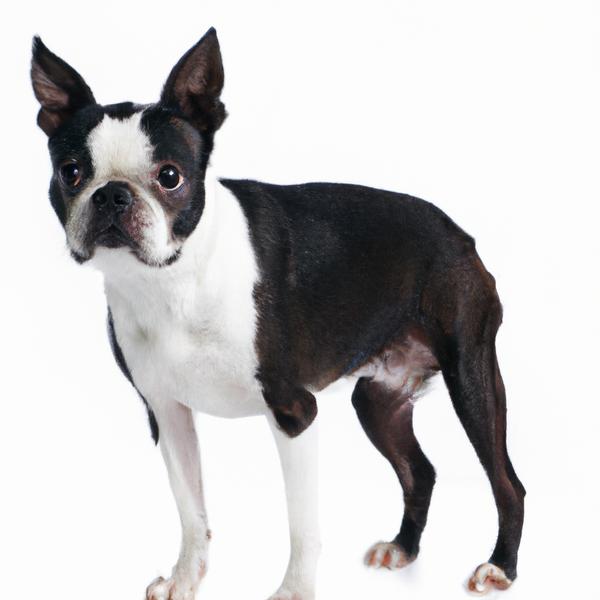
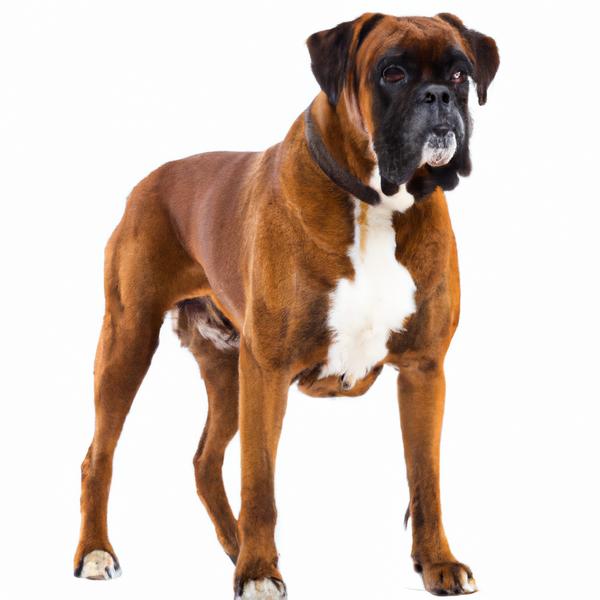
Weight Gain Potential
Which breed eats more: Boston Terrier or Boxer?
Boston Terrier has average risk of obesity, needs daily walks and quality diet to maintain healthy weight.
Boxer has high obesity risk, needs regular exercise and food control to maintain healthy weight.
Hypoallergenic
Are Boston Terriers or Boxers hypoallergenic, or neither?
Unfortunately, neither Boston Terrier nor Boxer are hypoallergenic, which may not make them the best choice for dog lovers who suffer from pet allergies.
Temperament
What are the personalities of Boston Terrier and Boxer dogs?
Affectionate
Friendly
Intelligent
Playful
Aggressive
Gentle
Lively
Brave
Confident
Fearless
Intelligent
Playful
Bright
Energetic
Friendly
Loyal
Shedding Level
Do Boston Terriers shed more than Boxers, or which breed sheds more, Boston Terriers or Boxers?
Boston Terrier or Boxer dogs are not heavy shedders, but they will lose a significant amount of hair each year. To decrease the amount of shedding, you can regularly brush your Boston Terrier or Boxer. This will remove loose hair and keep their coat growing in the same direction.
Watchdog Ability
Which dog breed makes a better watchdog, the Boston Terrier or Boxer?
Boston Terriers are decent watchdogs - they'll alert their owner if something seems amiss.
Choose a Boxer if you want a top-notch watchdog. This breed takes guarding seriously, and may not require much training, though obedience or guard dog training can improve their skills.
Origin
What is the origin of Boston Terrier and Boxer dog breeds?
United States
Germany
Ancestry
What are the origins of Boston Terrier and Boxer breeds?
Terrier, Bulldog, French Bulldog
Mastiff, Livestock Dog
Breed recognition
Which kennel clubs recognize/register Boston Terrier and Boxer?
American Canine Registry
American Kennel Club
America's Pet Registry
Canadian Kennel Club
Dog Registry of America Inc.
Federation Cynologique Internationale
Kennel Club of Great Britain
North American Purebred Registry, Inc.
American Canine Association, Inc.
Australian National Kennel Council
Continental Kennel Club
National Kennel Club
New Zealand Kennel Club
United Kennel Club
American Canine Registry
American Kennel Club
America's Pet Registry
Canadian Kennel Club
Dog Registry of America Inc.
Federation Cynologique Internationale
Kennel Club of Great Britain
North American Purebred Registry, Inc.
American Canine Association, Inc.
Australian National Kennel Council
Continental Kennel Club
National Kennel Club
New Zealand Kennel Club
United Kennel Club
Canadian Canine Registry
Date of Birth
When were Boston Terrier and Boxer breeds first developed?
1800s
Breed Group
What is the Breed Group of Boston Terrier and Boxer?
Non Sporting (AKC:1893)
Companion Breeds (UKC)
Working (AKC:1904)
Guardian (UKC)
Eye Color Possibilites
What are the eye colors of Boston Terrier and Boxer dogs?
Blue
Brown
Brown
Nose Color Possibilites
What are the natural nose colors of Boston Terrier and Boxer?
Black
Isabella
Black
Coat Color Possibilites
What are the natural colors of the coat for Boston Terrier and Boxer breeds?
Black
Isabella
Fawn
Brindle
Black
White
Fawn
Brindle
Coat Length
What is the typical coat length for Boston Terrier and Boxer breeds?
The Boston Terrier and Boxer breeds are known for their short coat.
Coat Density
What is the density of the coat of Boston Terrier and Boxer?
Coat Texture
What is the hair texture of Boston Terrier and Boxer?
Straight
Litter Size
What is the usual litter size for Boston Terrier and Boxer?
A Boston Terrier can have a litter of 12-15 puppies on average. However, it's worth noting that the size of the litters can vary greatly. Factors that can influence litter size include the health of the mother, breeding history, and genetics.
A Boxer can have a litter of 10-12 puppies on average. However, it's worth noting that the size of the litters can vary greatly. Factors that can influence litter size include the health of the mother, breeding history, and genetics.
Adaptability
Boston Terriers are highly adaptable and versatile, making them excellent companions for families and individuals of all lifestyles.
Boxers are known for their adaptability and can adjust well to different environments and lifestyle changes.
Health Issues
Between Boston Terrier and Boxer, which breed is more prone to health problems?
Boston Terrier and Boxer breeds are generally considered to be healthy. However, like all breeds, they are susceptible to certain health issues and it is important to keep an eye out for them and address them with your veterinarian as needed.
Major Concerns
What are the major health concerns for Boston Terrier and Boxer breeds?
Patellar Luxation
Cherry Eye
Allergies
Brachycephalic Syndrome
Cardiomyopathy
Subvalvular Aortic Stenosis
Corneal Opacities
Degenerative Myelopathy
Minor Concerns
What minor health issues should be kept in mind when owning Boston Terrier and Boxer?
Cataract
Corneal Ulcer
Gastric Torsion
Colitis
Hip And Elbow Dysplasia
Cvi (Wobbler’S Syndrome)
Von Willebrand's Disease
Hypothyroidism
Occasional Tests
What occasional tests are recommended for Boston Terrier and Boxer breeds?
Knee
X-Rays
Eye Examination
Allergy Tests
Full Physical Examination
Cardiac
Hip
Blood
Thyroid Tests
X-Rays
MRI
Eye Examination
Energy
How do the energy levels of Boston Terriers and Boxers compare?
Boston Terriers' high energy levels make them unsuitable for a low-key dog, choose accordingly.
Boxers thrive on an active lifestyle due to their high-energy nature.
Social Needs
Boston Terrier vs Boxer social needs comparison
Boston Terrier has above average social needs and thrives with interaction with humans and other dogs.
Boxer has very high social needs and requires regular mental and physical stimulation, a job or purpose, and companionship.
Exercise Needed
Boston Terrier vs Boxer exercise need comparison.
Boston Terriers need moderate physical activity and are great for families and active individuals.
Boxers require significant physical activity and suit those with an active lifestyle.
Sleeping Need
Which of the two sleeps the most/least: Boston Terrier or Boxer?
Boston Terriers sleep less than other breeds but still need adequate sleep for good health.
Boxers are active and require sufficient sleep to stay healthy.
Drooling Tendency
Which drools more/less, Boston Terrier or Boxer?
Boston Terrier minimally drools, ideal for those who dislike drool marks on clothing.
Boxer has low drooling tendency, suitable for those who dislike drool marks.
Tendency to Bark
Do Boston Terriers or Boxers bark more/less frequently?
Compared to most other breeds, Boston Terrier and Boxer tend to be less vocal and bark less frequently. They typically only bark when necessary, such as to communicate or alert their owner, and do not bark excessively, especially when left alone.
Territorial
Is the Boston Terrier or Boxer a better guard dog?
While Boston Terrier dogs can defend their territory or owners, it's not their primary trait, and they are not ideal guard dogs.
Boxer dogs are highly protective and make excellent guard dogs due to their strong instinct to defend their territory and owners, and their high level of vigilance.
Mouthiness
Mouthiness Comparison: Boston Terrier vs Boxer?
Roaming urge
Boston Terrier vs Labrador: Running away tendency?
Prey Drive
Boston Terrier or Boxer - which breed has a higher level of prey drive?
Past times
What are some enjoyable activities and ways to keep Boston Terrier and Boxer entertained?
Walk, Toys, Walking, Sniffing, Hiking, Kisses, Sniff, Shake, Dressing up, Cuddling, Belly rubs, Playing, Jumping, Running, Socializing, Hopping, Eating Snacks, Chase, Catch treats, Nap, Run, Play, Cuddles, Cuddle, Sleep, Not that much, Playing around, Chasing ball, Relaxing, Tug-of-war
Walk, Run, Jog, Training, Grooming, Eating out, Wubba, Fetch, Hike, Running, Walking, Petting, Sniffing, Digging, Eating Snacks, Jumping, Jumping around, Walks, He liked to run, Back rubs, Fast walking, Playing, Hiking, Playing catch, Cuddling, Chase, Tug-of-war, Chew, Nap, Go to Park
Activity Level
Which breed has higher energy, Boston Terriers or Boxers?
Boston Terriers are medium-energy dogs and typically enjoy socializing and playing casual or even sustained games of chase with other dogs. They may also have occasional periods of barking or racing around the house.
Boxers are high-energy dogs. They need mental as well as physical exercise. These dogs require a lot of your involvement and without it they can, and will, become problematic dogs.
Tolerance of being left alone
Walks per Week
How many miles should Boston Terrier or Boxer walk each week?
There's really no limit to how far you walk your dog as long as they're comfortable. For Boston Terrier, it's at least 8 miles / week. Just remember to build distance and stamina gradually over time.
There's really no limit to how far you walk your dog as long as they're comfortable. For Boxer, it's at least 10 miles / week. Just remember to build distance and stamina gradually over time.
Activity per Day
Do Boston Terriers or Boxers require more exercise?
In general most Boston Terriers usually need at least 60 minutes of exercise daily. This can be spread across the day and include all sorts of high-energy activities, like walking, running and playing.
In general most Boxers usually need at least 90 minutes of exercise daily. This can be spread across the day and include all sorts of high-energy activities, like walking, running and playing.
Grooming
Which breed is easier to maintain in terms of grooming, Boston Terriers or Boxers?
Boston Terrier and Boxer are breeds of dogs that do not require extensive grooming.
Brushing Frequency
What is the recommended brushing frequency for Boston Terrier and Boxer dogs?
Boston Terrier and Boxer should be brushed at least once a week. Of course, you can give them more frequent brushes if you find that they are still shedding a lot.
Brushing Tools
What brushing tools are used for Boston Terriers and Boxers?
Pin Brush
Slicker Brush
Nail Clipper
Pin Brush
Slicker Brush
Nail Clipper
Cups
How much food should be given to Boston Terrier or Boxer in cups?
For an average 10-25 pound (5 - 11 kg) Boston Terrier feed 1 cups daily. But, keep in mind, the amount you feed is going to be dependent on the quality of the food you are feeding.
For an average 65-80 pound (29 - 36 kg) Boxer feed 2.5 cups daily. But, keep in mind, the amount you feed is going to be dependent on the quality of the food you are feeding.
Daily Cost
Which breed has a higher daily cost, Boston Terrier or Boxer?
The average cost of a Boston Terrier is somewhere $1.40 - $1.80 per day.
The average cost of a Boxer is somewhere $2.50 - $3.20 per day.
Monthly Cost
Which breed has a higher monthly cost, Boston Terrier or Boxer?
The average per month expenses of a Boston Terrier is between $42 - $53. This makes an average of $504 - $636 per year. It will be on the higher side when the dog is still small because it will need more frequent visits to the vet, shots.
The average per month expenses of a Boxer is between $74 - $95. This makes an average of $888 - $1140 per year. It will be on the higher side when the dog is still small because it will need more frequent visits to the vet, shots.
Intelligence
Comparing Intelligence: Boston Terriers vs Boxers
Boston Terrier and Boxer have average obedience intelligence, but they're also independent thinkers. This breed is known for having an exceptionally high IQ, which means they may get into trouble if left to their own devices.
Sensitivity Level
How do Boston Terrier and Boxer compare in sensitivity?
This breed is sensitive to its environment and best suited for patient and understanding families with a consistent routine.
This breed is sensitive and requires gentle handling and a calm home environment.
Affection Dependance
Which is the more affectionate dog breed: Boston Terrier vs Boxer?
Apartment Friendly
Which breed is more apartment-friendly: Boston Terrier or Boxer?
Boston Terriers make excellent apartment dogs, being fairly active indoors and not requiring a yard.
The Boxer is a great apartment dog, thriving with sufficient exercise and time outside as part of their daily routine.
Child Friendly
Do Boston Terriers or Boxers have a friendlier temperament towards children?
Boston Terriers make excellent family pets for kids due to their gentle, protective nature and calm temperament.
Boxers are good with kids if socialized and trained from a young age.
Senior-friendly
Which dog is more suitable as a pet for the elderly - Boston Terrier or Boxer?
Cat Friendly
Do Boston Terrier or Boxer breeds have a better compatibility with cats?
Boston Terriers are very friendly with cats and make great companions for them.
Boxers are average in their friendliness toward cats and tend to do well with them, especially if raised together.
Dog Friendly
Which breed is more sociable with other dogs: Boston Terrier or Boxer?
Boston Terriers are generally very friendly towards other dogs, with a happy and affectionate temperament.
Boxers are less friendly towards other dogs, but can improve with socialization.
Pet friendly
How do Boston Terrier or Boxer dogs interact with other pets?
Stranger Friendly
Which breed is more friendly with strangers: Boston Terrier or Boxer?
Boston Terriers are friendly but may bark at strangers, and training is easy due to their intelligence.
Boxers are averagely friendly around strangers but benefit from early socialisation.
Playfulness
Which breed is more playful between Boston Terrier and Boxer?
Boston Terriers have an average level of playfulness, enjoying playtime like most dogs but not excessively so.
Boxers are a playful breed that needs daily playtime to be happy.
Trainability
How do the trainability levels of Boston Terriers and Boxers compare?
Boston Terrier and Boxer dogs are usually easy to train, but may require consistency to fully obey commands.
Compare Boston Terrier with other breeds
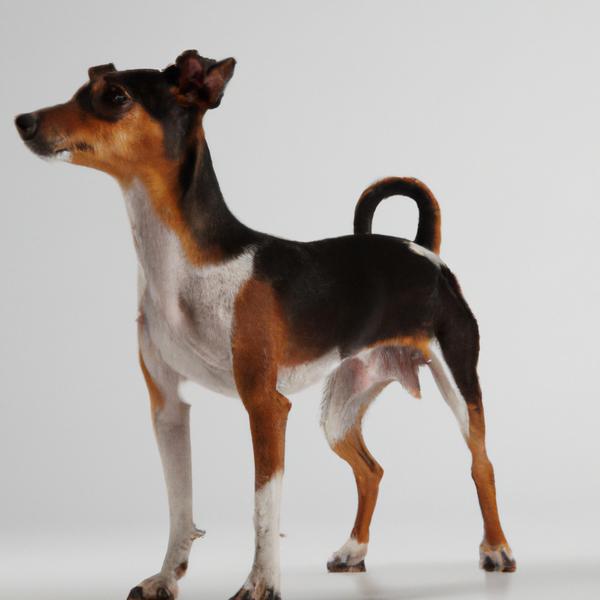
Wire Foxy Rat Terrier
Boston Terrier vs Wire Foxy Rat Terrier
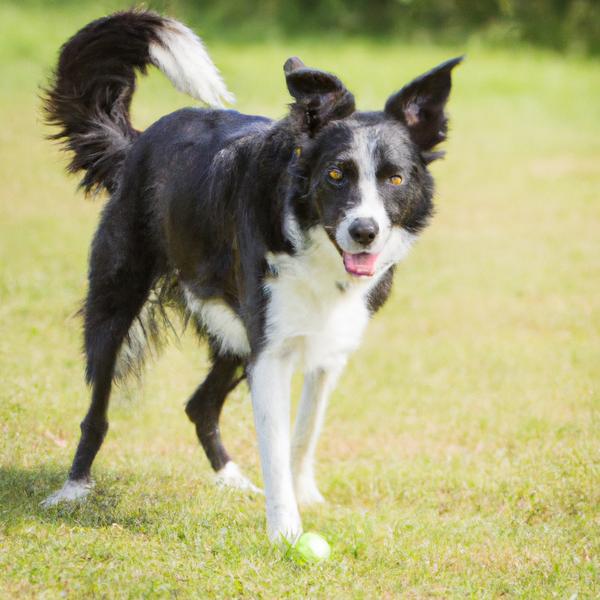
Standard Border Schnollie
Boston Terrier vs Standard Border Schnollie
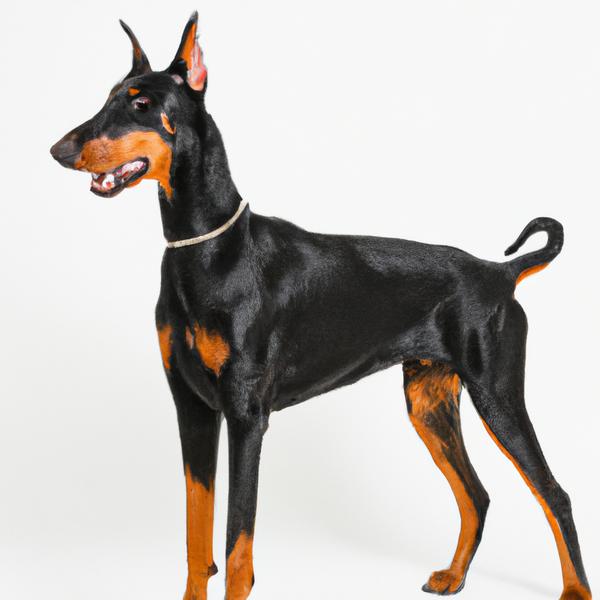
Doberman Collie
Boston Terrier vs Doberman Collie
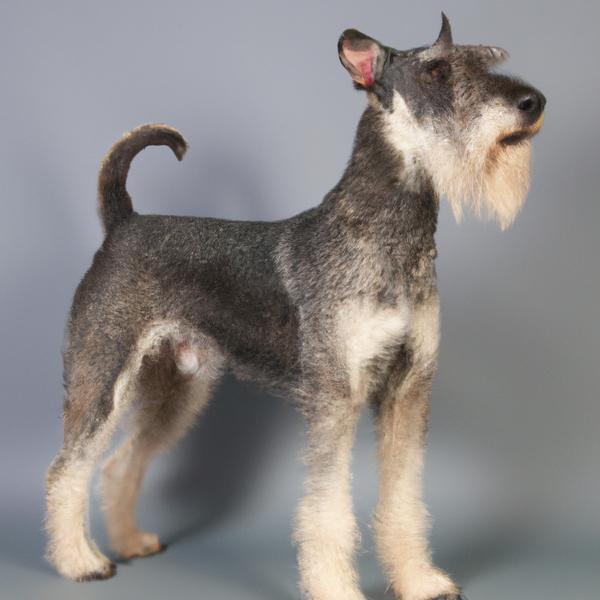
Standard Ratzer
Boston Terrier vs Standard Ratzer
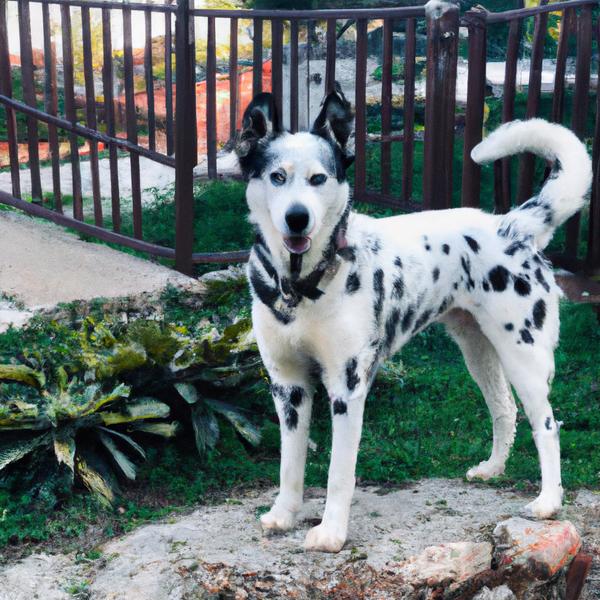
Dalmatian Husky
Boston Terrier vs Dalmatian Husky
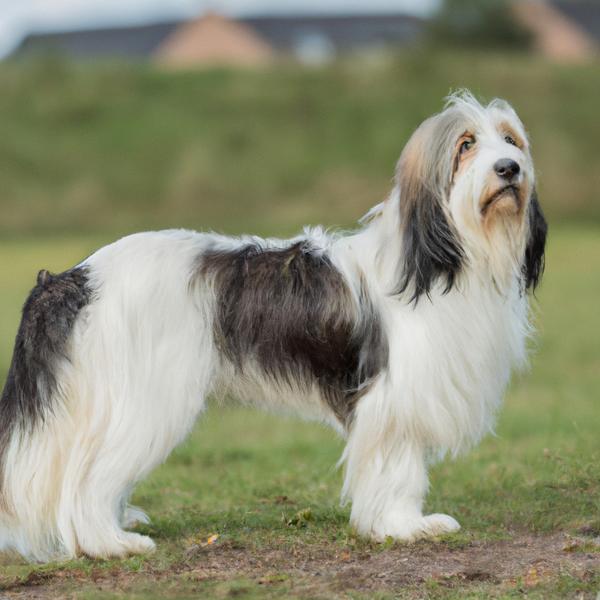
Havallon
Boston Terrier vs Havallon
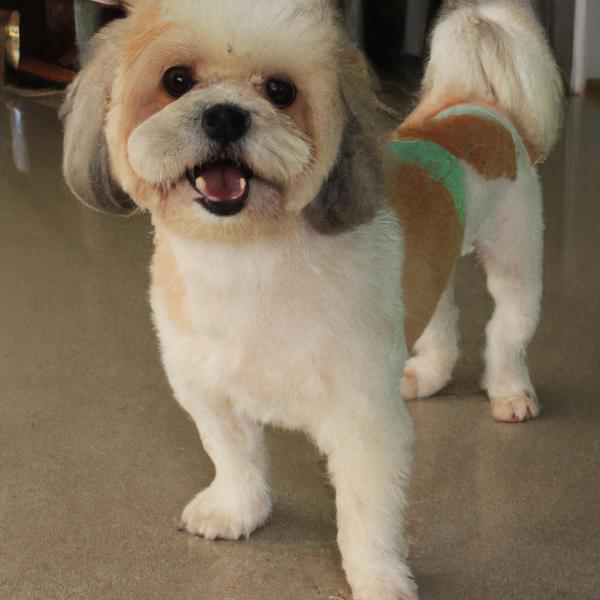
Pekepoo
Boston Terrier vs Pekepoo
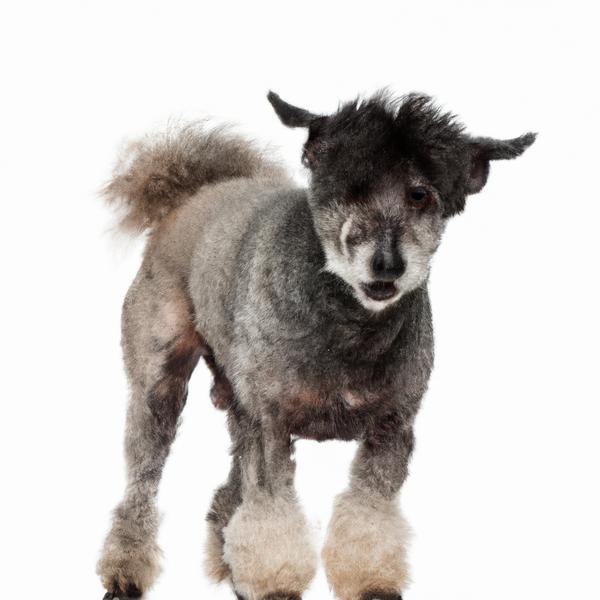
Pumi
Boston Terrier vs Pumi
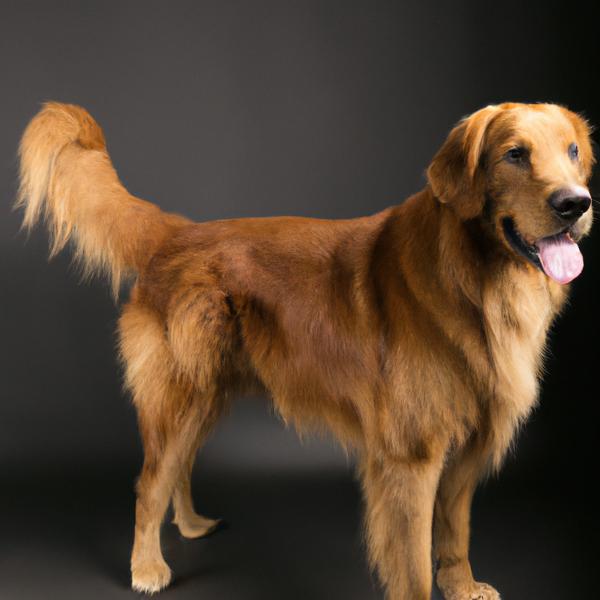
Siberian Retriever
Boston Terrier vs Siberian Retriever
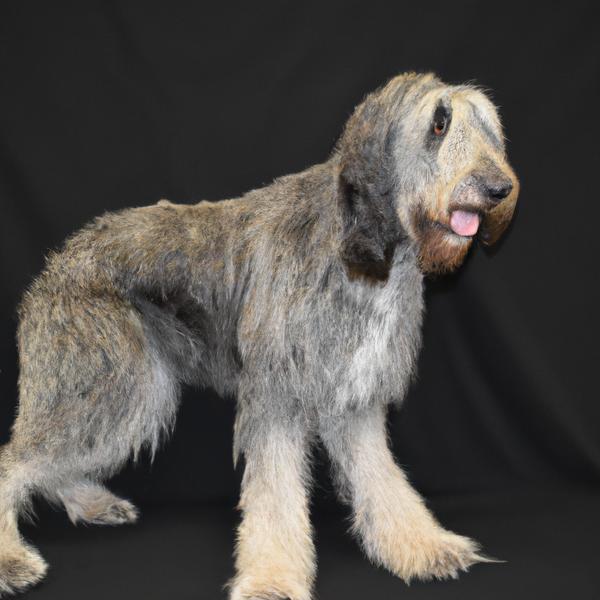
English Coonoodle
Boston Terrier vs English Coonoodle
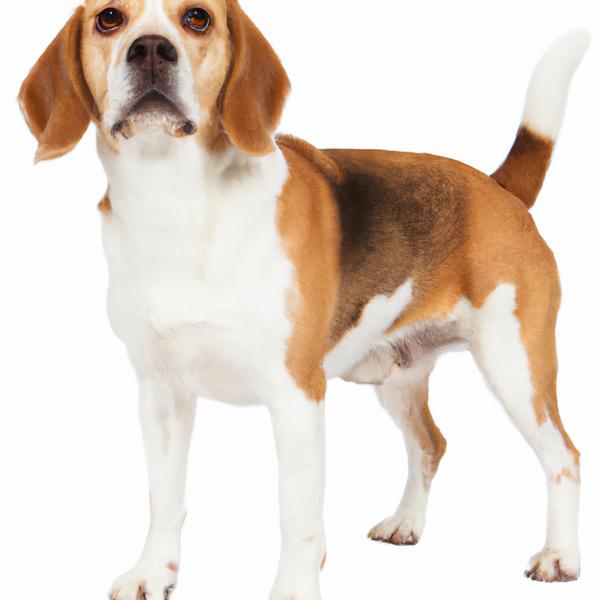
Beagleman
Boston Terrier vs Beagleman

Double Doodle
Boston Terrier vs Double Doodle